

CATCH ESTIMATOR
Estimate your catch's weight, skinless fillet yield, and family meals based on official ADF&G biological data.
Catch Dimensions
*IPHC biological constant: Dressed halibut (head-off, eviscerated) equals approximately 75% of round whole weight.
ESTIMATED YIELDS
*Biological estimators represent statistical averages. Exact weights will vary depending on water temp, gender, and regional food sources.
THE SCIENCE & MATHEMATICAL FORMULAS
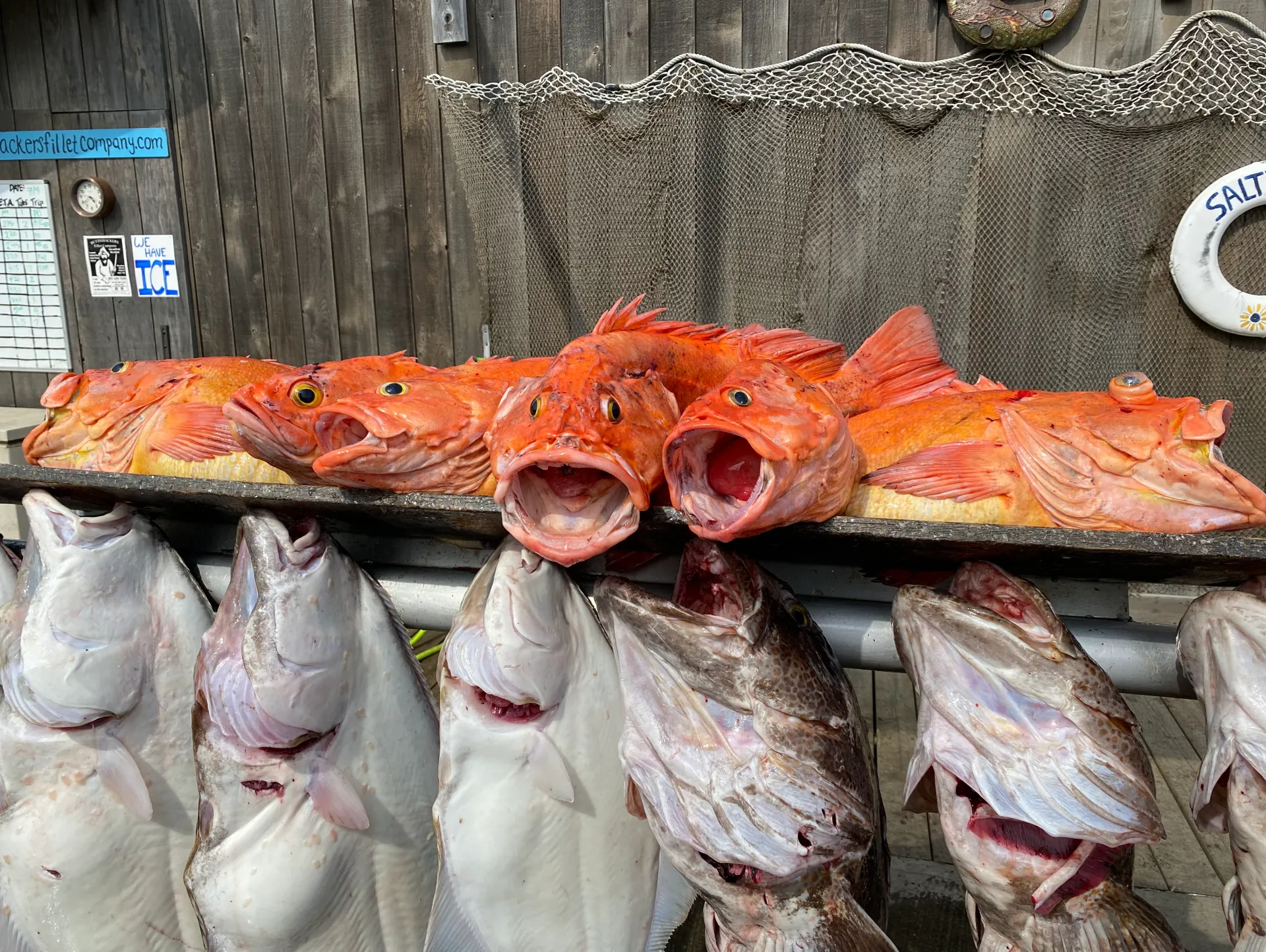
Pacific Halibut and King Salmon are two of the most intensely monitored sportfish on Earth. The Alaska Department of Fish and Game (ADF&G) and the International Pacific Halibut Commission (IPHC) calculate length-to-weight relationships using allometric biological power functions:
Standard ADF&G round-weight model. Fresh skinless fillet recovery averages 50% of whole body weight on professionally dressed fish.
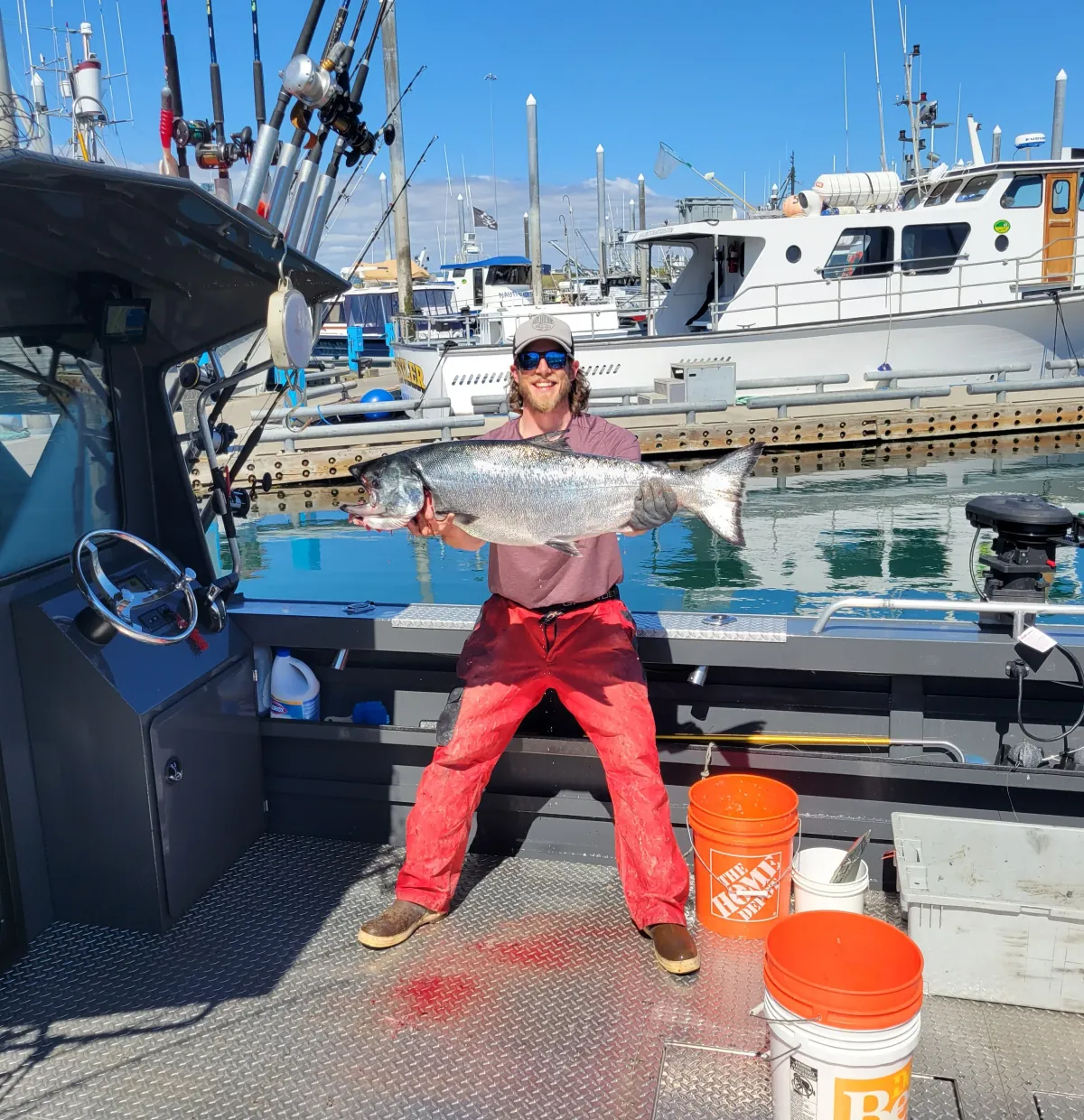
Standard ADF&G salmonid model for ocean-feeding Chinook. Fresh skinless fillet recovery averages 60% of total landed weight.
PACIFIC HALIBUT LENGTH-TO-WEIGHT QUICK REFERENCE TABLE
Official ADF&G / IPHC Area 3A conversion matrix for Cook Inlet and Homer, Alaska sport charters:
| Length (Inches) | Length (cm) | Estimated Whole Weight | Fillet Yield (~50%) | ADF&G 3A Classification |
|---|---|---|---|---|
| 28" | 71 cm | 9.1 lbs | 4.6 lbs | Legal Under-Slot Fish |
| 32" | 81 cm | 14.1 lbs | 7.1 lbs | Prime Table Fare "Chicken" |
| 36" | 91 cm | 20.9 lbs | 10.5 lbs | Cook Inlet Medium Halibut |
| 42" | 107 cm | 34.9 lbs | 17.5 lbs | Quality Ocean Fish |
| 50" | 127 cm | 61.9 lbs | 31.0 lbs | Heavy Breeder Fighter |
| 60" | 152 cm | 113.8 lbs | 56.9 lbs | 100+ Lb Barndoor Trophy |
| 70" | 178 cm | 191.0 lbs | 95.5 lbs | Giant Monster Halibut |
| 80" | 203 cm | 296.8 lbs | 148.4 lbs | Legendary 280+ Lb Record Haul |
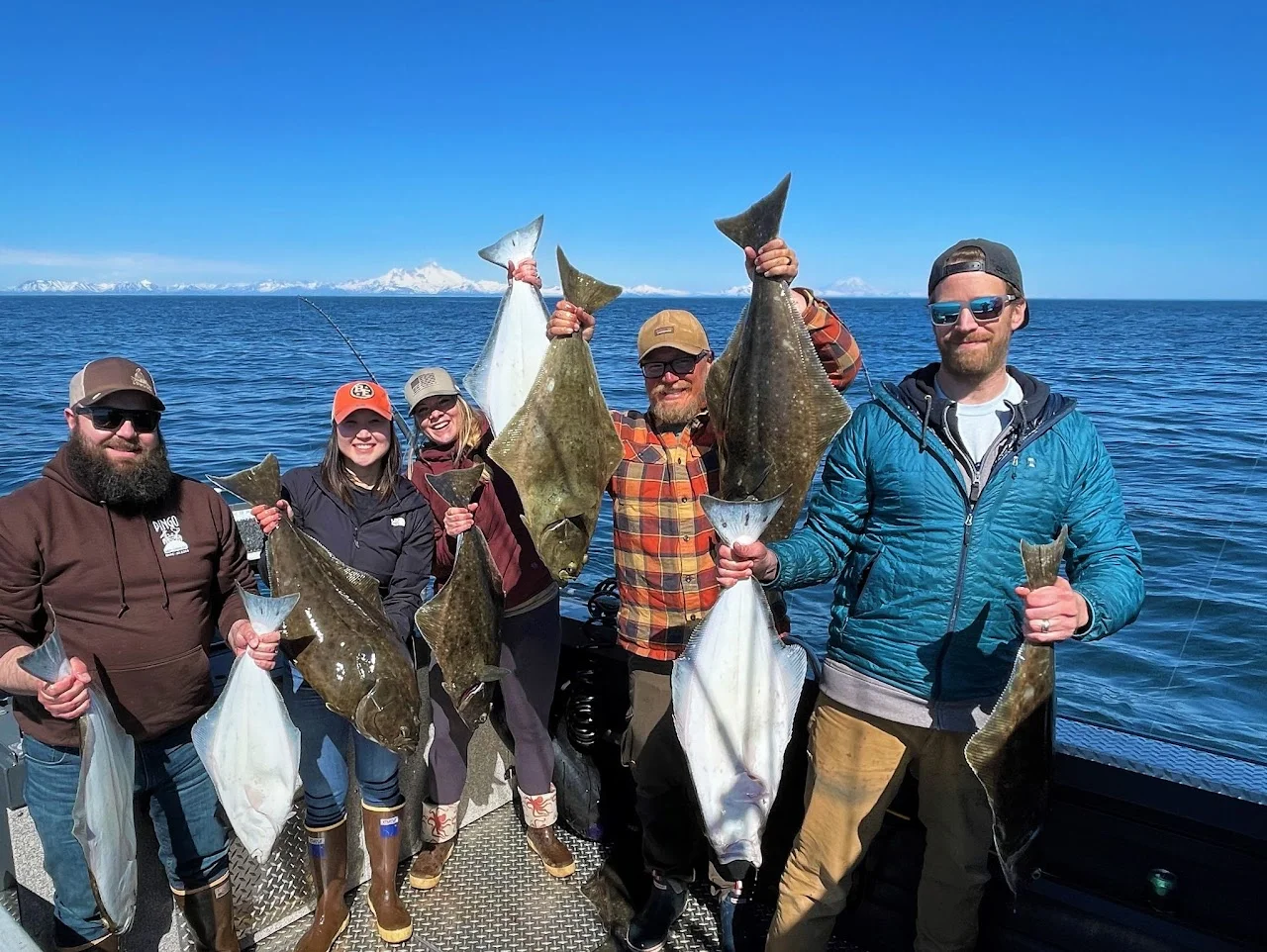
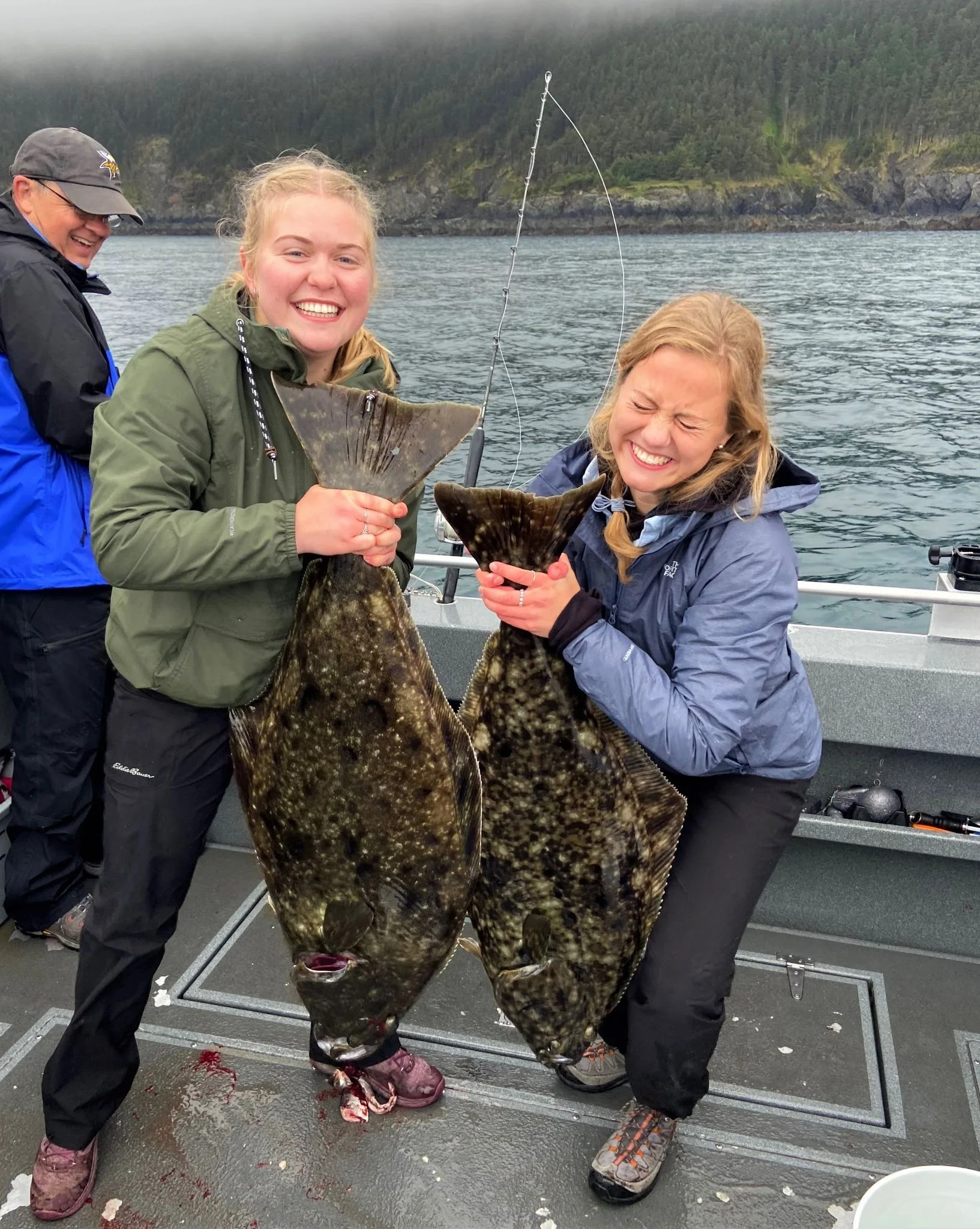
Halibut grow rapidly in their first 10 years, with females growing much faster than males. A 36" halibut is typically around 8-9 years old and weighs 20 lbs. A 60" "barn door" is typically over 15 years old and averages 100+ lbs!
Because winter feeder kings actively hunt herring arrays, their fat reserves are peaked. This high-omega diet means they are physically denser and pack higher caloric value than returning spawning river salmon.